
Counselling support for men's perinatal mental health
Becoming a father or partner can be one of life's biggest transitions, yet it is one of the least talked about.
See if it’s right for you, request a callback from myself.
A safe space to talk about what you're carrying
We can gently explore the emotional challenges that emerge that may be affecting you, including:
Any anxiety about becoming a father or adjusting to parenthood
Financial pressures, the responsibility to provide or emotional overwhelm
Feeling numb, irritable, low in mood or stressed
Relationship changes with your partner or family
Feeling disconnected from your baby or struggling to bond
The impact of birth trauma or a difficult pregnancy on your own wellbeing
Loss of confidence or uncertainty about your role as a father or partner

Becoming a father or partner can be one of life's biggest transitions, yet it is one of the least talked about.
Support through the transition to fatherhood
Becoming a parent may change your life in unexpected ways. It may feel rewarding, challenging, joyful, and overwhelming, all at the same time. You do not have to navigate those changes alone. Counselling can provide:
- A confidential space to talk without pressure to have the answers
- Support with balancing work, family life, and your own emotional needs
- Ways to understand and manage irritability, stress or low mood
- Space to explore your identity and role as a father or partner
- Support to feel heard, understood, and more connected to your family
Related support: you may also find it helpful to read about birth trauma counselling, postnatal depression counselling, or explore all the ways I can help with support after birth. When you feel ready, you can book a counselling session or start with a free introduction call.
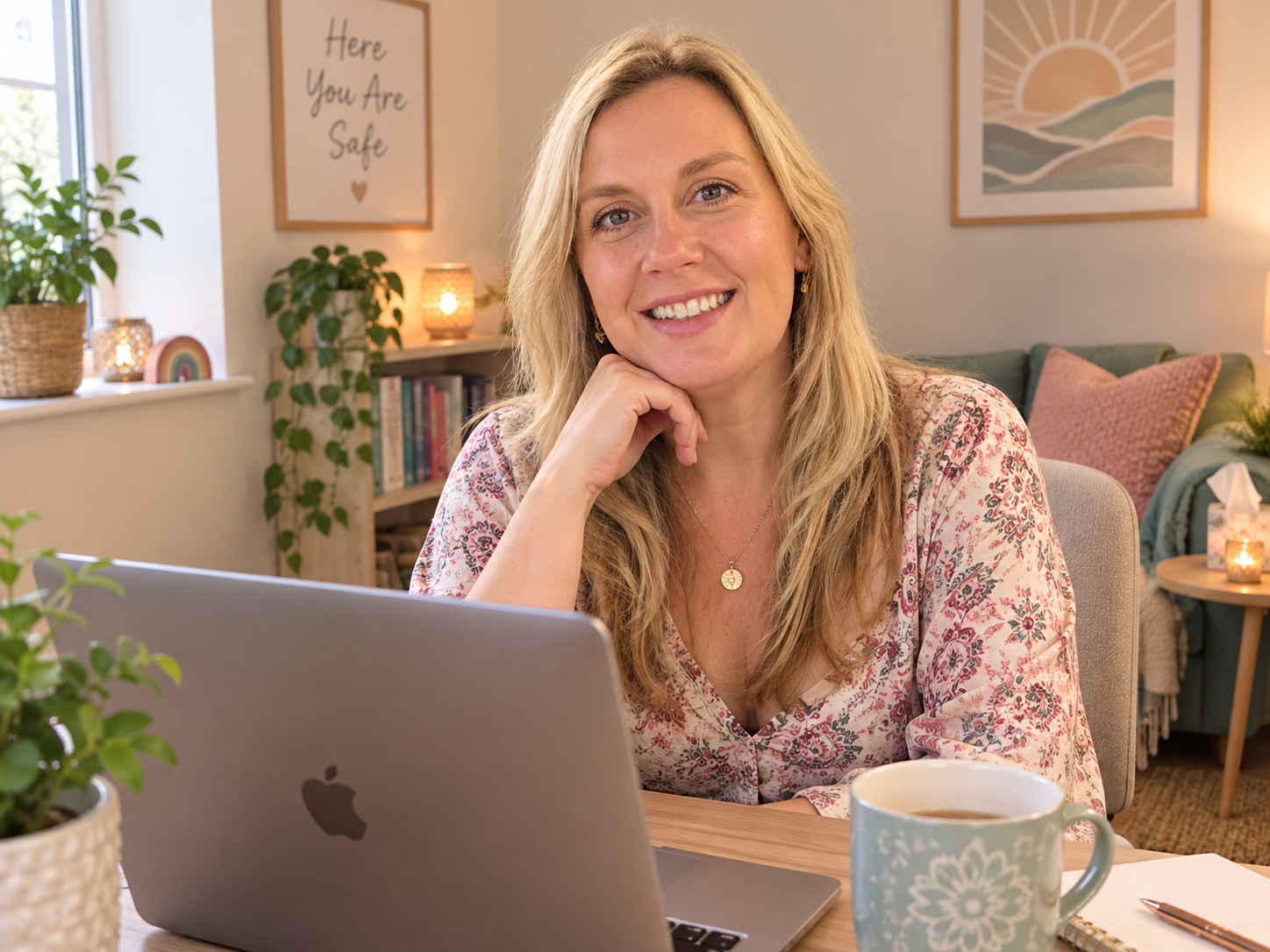
Have a space to be heard and supported throughout every part of your journey
Whether you're preparing to become a father, adjusting to life with a new baby, or finding that parenthood feels harder than you imagined, counselling can provide a space to feel heard, understood, and supported.
Men's Perinatal Mental Health - FAQs
I'm going to be a dad and I'm struggling with the thought of it, can counselling help me?
Counselling can help you process mixed emotions about becoming a parent. Perhaps you didn't expect to be a parent or you are reflecting on your own upbringing. Counselling with Parent Perspective allows you a safe space to process your emotions, thoughts and feelings about parenthood.
I've been struggling since becoming a dad, can counselling help me?
Counselling offers a space to talk about stress, low mood, anxiety, or feeling overwhelmed during the transition to fatherhood. Perhaps you are experiencing relationship issues or complex feelings, or feel becoming a father is overwhelming. Allow yourself space to explore and process what you are going through, in a safe space outside of your family.
Is it normal for dads to struggle during the perinatal period?
Yes. Men are often overlooked in the perinatal period. Many men experience emotional changes, pressure, or uncertainty during this time, even if it isn't often talked about.
What can I talk about in counselling?
Anything you're carrying or anything causing you stress. This may include identity changes, relationship pressures, feeling disconnected, anger, anxiety, or not feeling like yourself.
Does it matter that I find it hard to open up?
Not at all. Many people find it difficult at first. Counselling moves at your pace, and you don't have to share everything straight away.
Can counselling help me feel more like myself again?
Yes. Counselling can help you process what's changed, reduce emotional pressure, and support you in feeling more grounded and connected again.
What if I'm experiencing a mixture of different feelings or difficulties?
You do not need to have everything figured out before starting counselling. Many people experience a combination of anxiety, low mood, intrusive thoughts, birth trauma, identity changes, overwhelm, or simply a feeling that something doesn't feel right. You can find a safe space at Parent Perspective to explore your experience without needing to label or fully understand it first.
I don't feel like myself during pregnancy or after having a baby, can counselling help even if I don't know why?
Sometimes people can sense that something has changed emotionally, mentally, or physically, even if they can't explain it clearly. You can explore gently what has changed, understand how you're feeling, and reconnect with yourself with support and compassion.